Wedding Reception Music: A Moment-by-Moment Plan
Plan every stretch of a wedding reception, from ceremony cues to the last dance, with example songs, timing rules and a one-hour planning checklist.
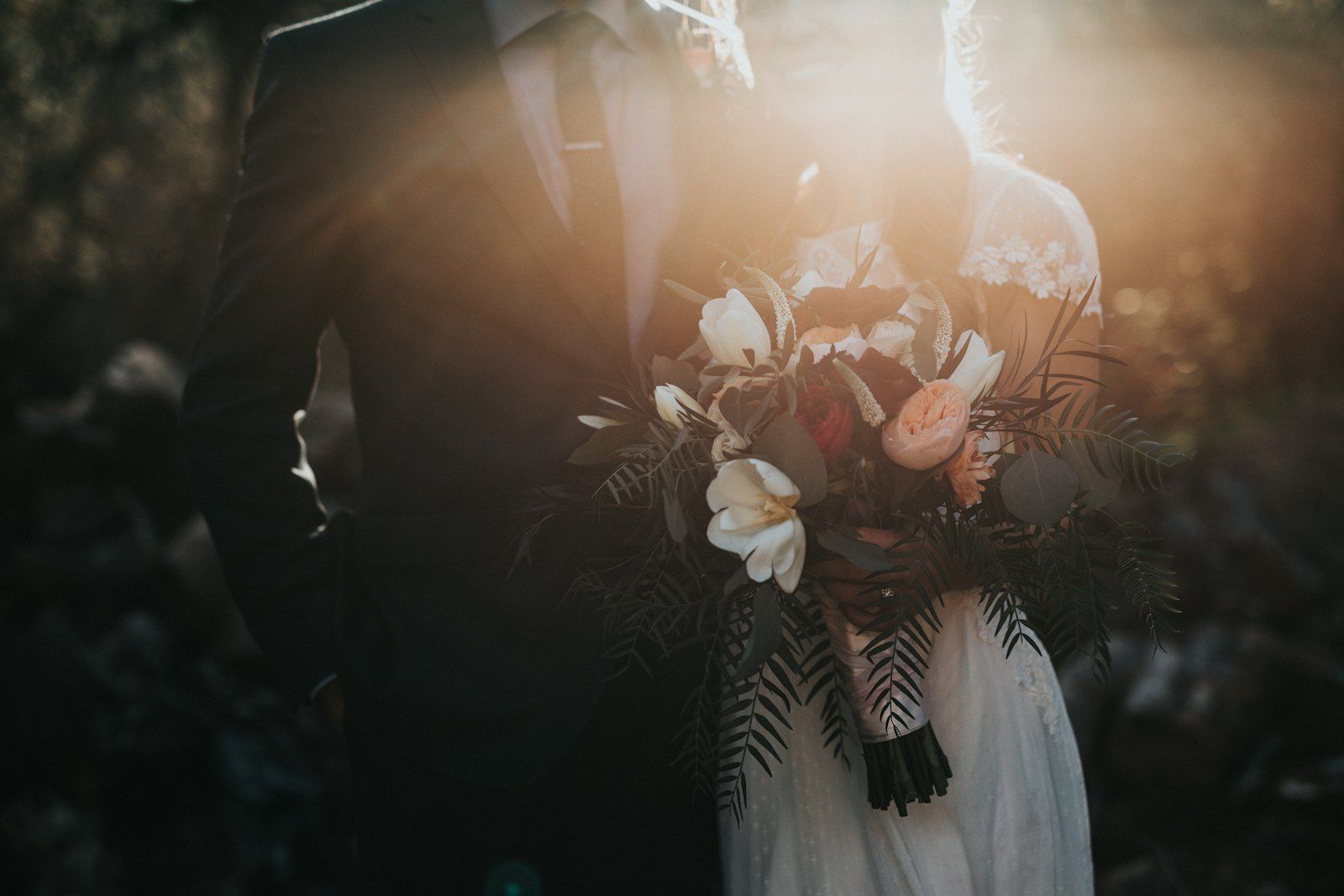


Most wedding guests will forget the centerpieces and half the speeches, but they will remember whether the dance floor filled up at 9 p.m. or sat empty until the DJ gave up. Music is the one part of a reception that changes the mood of 100 people at once, and it is also the part couples plan the least. A reception is not one playlist. It is five or six different jobs that the music has to do in a fixed order, and each job needs a different kind of song.
This guide walks through a reception in the order it happens, with what each stretch of the evening needs, example songs that work, and the mistakes that quietly kill the energy. It works whether you hire a DJ, run a playlist from a laptop, or ask a friend to handle it.
Start with the timeline, not the songs
Before you pick a single track, write down the schedule of the day with times. Music choices depend on what guests are doing at each moment: standing with a drink, finding their seats, eating, listening to a toast, or dancing. A song that is perfect at 10 p.m. can be terrible at 6 p.m.
A typical evening looks like this, though yours will differ:
| Segment | Guests are | Music's job | Rough length |
|---|---|---|---|
| Ceremony | Seated, quiet | Mark the emotional beats | 20 to 40 minutes |
| Cocktail hour | Standing, talking | Background that invites conversation | 60 minutes |
| Entrances and first dance | Watching | Create a moment | 10 to 15 minutes |
| Dinner | Seated, eating | Warm, low-volume atmosphere | 60 to 90 minutes |
| Open dancing | Moving | Build and sustain energy | 2 to 3 hours |
| Last song and exit | Gathered | Give the night an ending | 10 minutes |
Print this table, add your actual times, and share it with whoever controls the music. Most reception problems come from nobody knowing when a segment starts, not from bad taste.
The ceremony: five cues, not a playlist
A ceremony needs only a handful of pieces, and each one is tied to a specific action. You need music for the guests arriving and being seated (the prelude), the processional for the wedding party, a separate piece for the entrance of the person or people at the center of it, a piece during any signing or unity moment, and the recessional as everyone leaves.
Instrumental versions are the safe default for the prelude because they let guests chat quietly without competing with lyrics. String quartet or piano covers of familiar songs are popular for this reason, and they are easy to find. For the entrance, choose a piece with a clear, slow build so there is something to walk to. Pachelbel's Canon in D has been a wedding standard for decades, but a gentle instrumental arrangement of a song that means something to the two of you does the same job and feels more personal.
Two practical details matter more than the song choice. First, time the processional piece: if the walk takes 90 seconds and your track starts its big moment at 40, the best part will be wasted on people still entering. Ask the venue how long the aisle walk actually takes and edit the track to fit. Second, plan for the silence. Decide who stops the music, and on what visual cue, so there is no awkward fade in the middle of a vow.
The recessional is the first chance to show joy. Pick something upbeat and short, such as a bright instrumental or a three-minute pop song, and cut it when people have exited rather than letting it run on.
Cocktail hour: music people can talk over
Cocktail hour is where playlists most often fail, because people choose music they love instead of music that fits the room. The test is simple: can two strangers hold a conversation at normal volume while this plays? If guests have to lean in and shout, the volume or the song is wrong.
Good cocktail hour music has a steady, relaxed groove, a familiar feel, and not too many vocals pushing into the foreground. Think Motown mid-tempos like Stevie Wonder's "Signed, Sealed, Delivered," jazz standards, bossa nova, acoustic soul, or mellow versions of pop hits. Variety in decade helps, because the room contains people from 8 to 88 and the goal is for nobody to feel excluded.
Set a volume ceiling
Agree with your DJ or venue on a maximum volume for this segment. A useful rule is that the music should be clearly audible but should not change how loudly people have to speak. If you are using a playlist, test the volume at the far end of the space with a friend standing there, not at the speaker.
Save the big songs
Do not burn your most famous crowd pleasers here. If guests hear "September" or "Dancing Queen" at 5 p.m. as background music, the song loses some of its power when it comes on at 9 p.m. Treat the dance floor anthems as a limited resource and hold them back.
Entrances and the first dance
Entrances are short, loud, and fun, and they are an easy place to stand out. Many couples pick a different song for each group: one for the wedding party, one for the couple. Keep each cue under about 30 seconds of actual use. Guests are standing and clapping, so you want a recognizable hook that arrives immediately, not a long intro.
The first dance is different. It is the one moment in the evening when the whole room watches two people, and a full five-minute song can feel very long for everyone, including the couple. Ask your DJ or editor to cut the track to around two minutes, ending on a natural phrase, and then have the next song start so other guests are invited onto the floor. Classic slow choices include Etta James's "At Last" and Elvis Presley's "Can't Help Falling in Love," while many couples choose something less expected that fits their story.
If you want a real moment, tell the person controlling the music exactly when the song should end. A clean ending is far better than a fade-out while everyone claps awkwardly.
Dinner: warm and low
Dinner is the longest sit-down block and the easiest to ignore. The goal is to keep a pleasant atmosphere that does not compete with toasts, clinking forks, and table conversation. Lower the volume compared with cocktail hour, and lean toward songs that are warm rather than loud.
Plan for the speeches. Most weddings have between two and six, and each one needs the music to be completely off, with a mic check beforehand. Build a gap into your playlist or tell the DJ to fade out on the cue from the host. After each speech, bring music back softly rather than abruptly. A short, gentle track is a better transition than jumping straight back into whatever came next.
A good dinner playlist has a slow rise. Start soft and acoustic as people sit, then lift the tempo slightly toward the end so that the room is already energized when the plates are cleared and dancing is about to begin.
Open dancing: build an energy curve
This is the part everyone worries about, and it is where structure helps most. A dance floor fills when people feel safe, so the first songs should be universally known and easy to dance to, not your favorite obscure track. Think of the evening as an arc in three stages.
Stage one: the invitation
The first 20 to 30 minutes should be songs nearly every guest knows and can move to without learning anything. Funk and Motown classics, upbeat soul and pop hits from the past four decades all work. The Isley Brothers' "Shout" and Stevie Wonder's "Superstition" are examples of songs that get older relatives up without much persuasion.
Stage two: the peak
Once the floor is moving, raise the tempo and bring in the big shared singalong moments. Songs like The Killers' "Mr. Brightside" or Journey's "Don't Stop Believin'" work because the crowd sings the chorus together, which creates a sense of connection even among people who do not dance. Mix decades so that every generation gets a turn. A good rule is to never play more than two songs in a row from the same era or genre.
Stage three: the cooldown and the closer
Anyone running the floor should take a breath around the midpoint. Play one or two slower songs, which lets tired dancers rest and lets couples slow dance, and then rebuild. About 20 minutes before the end, start the final climb, and choose a closer that people can sing at the top of their lungs. A last song that everyone knows is better than a clever one that only some do.
Handling transitions
Songs that jump between very different tempos feel jarring. If you are building a playlist yourself, order tracks so that neighbors sit at similar speeds, and change tempo gradually over several songs. Short crossfades of a few seconds are enough to avoid dead air between songs. Dead air is the most common enemy of a dance floor, because those few silent seconds let people decide to sit down.
Requests, do-not-play lists, and reading the room
Decide in advance how you want to handle requests. You have three realistic options: no requests, requests only through the DJ or a trusted friend, or a request form guests fill out when they RSVP. The form is the most effective because you see the demand before the day and can approve songs in calm conditions. On the night, a guest shouting a title over the speakers at 11 p.m. is much harder to manage.
Create two lists and hand them to whoever runs the music:
- Must-play: five to ten songs that are essential to you, with a note on when you want each one.
- Do-not-play: songs with bad associations, explicit lyrics you want to avoid, or tracks that are just overused. Be specific with titles rather than genres.
Then give your DJ or friend permission to deviate. The best sets respond to the room. If the floor is full at 10:15 and the next song on the list is a slow ballad, the right call may be to hold it. Trusting the person at the controls to read the crowd is usually worth more than a perfect script.
Practical setup details people forget
- Backup: Download every song you plan to use. Do not rely on streaming in a venue that may have unreliable wifi.
- Licensing: If you hire a DJ, they normally handle music licensing. If you are playing a playlist yourself at a private event, you generally do not need a special license, but a venue may have its own rules, so ask.
- Sound check: Do a check with the venue before guests arrive, at the volume you want for each segment.
- Clean versions: If children or older relatives will be present, check explicit lyrics in advance.
- Assign an owner: One person, not three, should control the music on the night. Give them the timeline and the lists.
Build your reception in one hour
Sit down this week with a blank page and do these steps in order:
- Write out your day's timeline with real clock times.
- For each segment, write one sentence describing what guests are doing and what the music should accomplish.
- Pick the five ceremony cues and time each piece against the actual aisle walk.
- Build a 60-minute cocktail playlist from songs you could talk over, and hold back at least ten crowd anthems for later.
- Draft your dance floor in three stages, with roughly 25 songs per hour, and mark the two slow songs you want near the middle.
- Write your must-play and do-not-play lists, then share everything with the person running the music.
You will have a plan that covers the whole evening, and the dance floor will have the best chance of filling up when you want it to.
Build your next playlist with Mixider
Mix YouTube, SoundCloud, Bandcamp and more in one shared playlist, and let your friends add their picks.
Try Mixider for free