The Amen Break: Story of the Most Sampled Drum Loop
Six seconds of drums from a 1969 B-side shaped hip-hop, jungle and drum and bass. Here is its history, why it works, and how producers chop it.
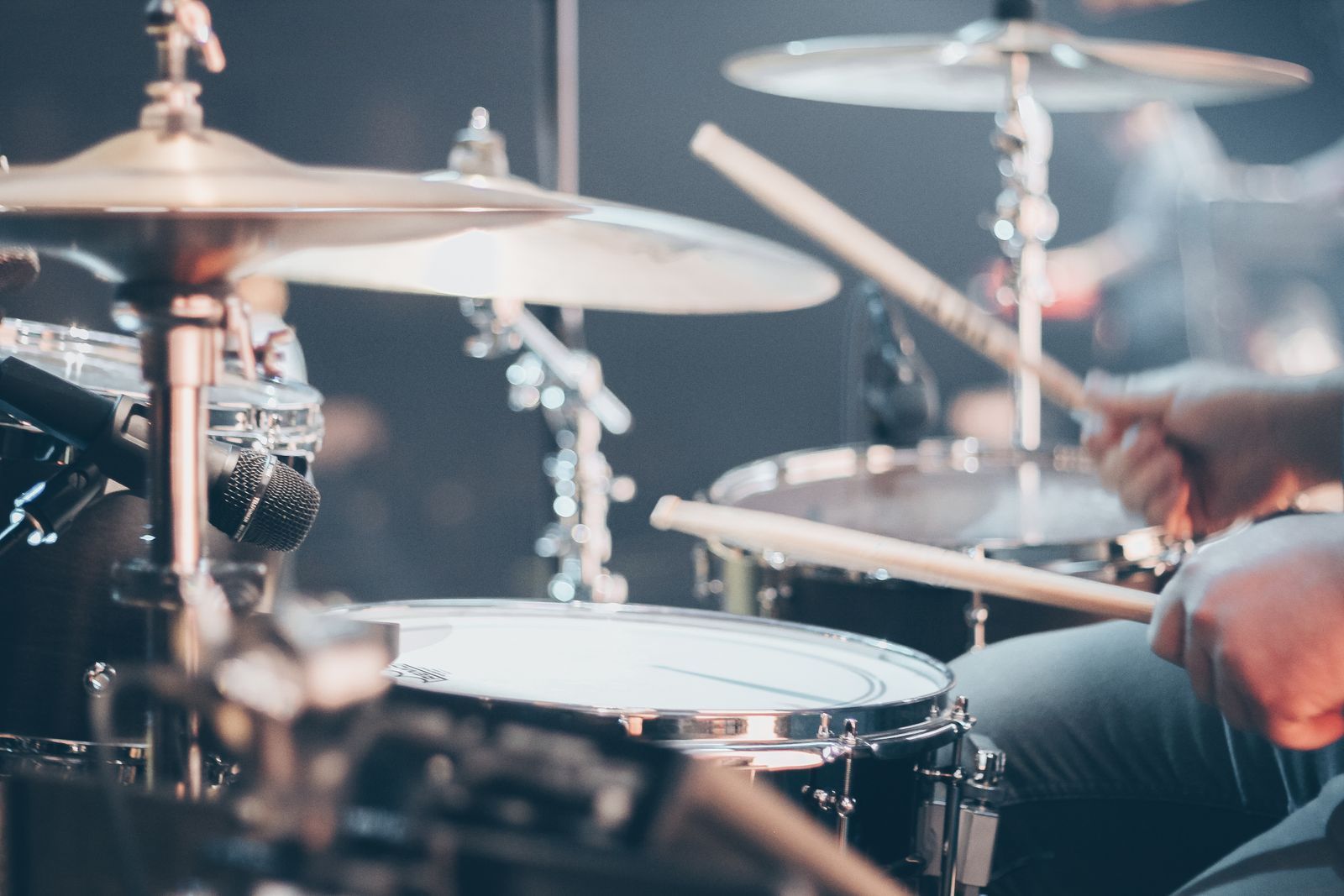


In 1969, a soul group from Washington, D.C. put out a B-side called "Amen, Brother". Somewhere in the middle, the band drops out and the drummer plays about six seconds alone. Those four bars have since been sampled in thousands of tracks, and they quietly built the rhythmic backbone of jungle, drum and bass and a good part of hip-hop.
This is the story of the Amen break: where it came from, why it works so well, what producers actually do with it, and how you can hear its fingerprints on your own playlists.
Where the Amen break comes from
The Winstons were a soul and funk group led by Richard L. Spencer. In 1969 they released "Color Him Father", which became their biggest hit. The B-side, "Amen, Brother", was an instrumental built on the gospel tune "Amen". Partway through, the other instruments step back, and drummer Gregory Coleman plays a four-bar solo. That is the break.
The solo is short, around six seconds according to NME's history of the break, but it contains almost everything a producer wants: a strong backbeat, a busy snare pattern, a loose human swing and a clean, dry recording with no other instruments bleeding in. Clean isolation matters a lot for sampling, because you can lift the drums without dragging along a guitar chord or a vocal.
The original tempo sits somewhere around 130 to 136 BPM depending on who measures it, as Bonedo's deep dive and other sources report. The exact number is slightly fuzzy because a live drummer drifts a little, and because later reissues changed the playback speed (more on that below).
How a B-side became everyone's drum loop
The break did not spread through radio. It spread through DJ culture and sample records.
Hip-hop producers in the 1980s hunted for isolated drum sections on old funk and soul records, the "breaks" that DJs looped to keep dancers moving. Compilations of these breaks were sold to DJs and producers, and "Amen, Brother" appeared on the 1986 compilation Ultimate Breaks and Beats Vol. 1, a bootleg-style series from Street Beat Records. Having the break on a convenient compilation, ready to be sampled with a cheap sampler, is a big reason it spread so quickly.
Hip-hop uses followed. Producers treated it like any other break: loop it, add a bass line, rap over it. Then something more interesting happened in the UK.
The UK rave scene speeds it up
In the early 1990s, British hardcore and jungle producers took breakbeats and pushed them to 160 BPM and beyond, matching the energy of the rave scene. Speeding up a sampled break does two things at once: it raises the tempo and it raises the pitch. Early samplers did exactly that, so the drums sounded tighter, brighter and more frantic.
More importantly, jungle producers did not just loop the break. They chopped it into individual hits and re-sequenced them. The result was a rolling, stuttering rhythm that sounded like a drummer with impossible hands, and it became the signature of an entire genre. Drum and bass, breakcore and many strands of electronic music descend from this habit of slicing and rearranging.
Why this particular break works
Plenty of old records have drum breaks. The Amen break became the default for a few practical reasons:
- Clean recording. The drums are solo, so there is nothing to filter out.
- Four-bar length. It is long enough to feel like a phrase and short enough to loop cleanly.
- A mix of straight and syncopated hits. The kick and snare outline a groove you can nod to, while the snare ghost notes and the ride cymbal add movement.
- Easy to slice. The hits are separated well enough that each kick, snare and cymbal can be cut into its own slice without much overlap.
- Tolerates being sped up. At 160 to 175 BPM it still sounds like a real kit, not a blur.
There is also a simple cultural factor: once a few influential tracks used it, every other producer recognised it and wanted their own version. A sound that a whole scene recognises becomes a shared language.
The break in the wild
The NME piece mentions that artists as different as Oasis and The Prodigy have used the break, which says something about its range. It also turned up in the theme to the animated series Futurama, and across hip-hop and electronic music. Once you know the pattern, you start hearing it in places you never expected: in a car advert, in a video game soundtrack, in a trailer.
According to the sample-tracking site WhoSampled, as quoted by Okayplayer and others, the break has been used roughly 1,800 to 1,900 times. Counts vary by source, so treat this as a ballpark rather than an exact figure.
The unfair part of the story
The Winstons never saw money from any of this. The band did not know their B-side had a second life, and under US law civil and criminal claims have to be filed within a fixed window after an infringement, so by the time the story was widely known, the window had passed. Gregory Coleman died in 2006, reportedly homeless, without having received payment for the most sampled drum break in history.
In 2015, UK DJ Martyn Webster started a crowdfunding campaign to thank Richard Spencer, initially hoping to raise £1,000. According to NME's follow-up report and other coverage, donations eventually reached about £24,000, and Spencer received a cheque for it. Webster stressed that it was a gesture of thanks, not a legal claim for royalties.
It remains one of the clearest examples of how sampling culture grew faster than the rules around it. If you make videos or music yourself, the lesson is practical: clearance matters, and our guide to music licensing for video creators covers what you can safely use.
How producers actually use the break
If you want to understand why the break is so useful, try a hands-on experiment in any audio editor or DAW. You do not need the original record: there are royalty-free re-recordings, and a drummer has even recorded dozens of new versions for producers to use, as MusicRadar reported.
Step 1: Loop it at its natural tempo
Drop a four-bar break into your project and set the project tempo so the loop fits exactly four bars. At the natural speed, around 130 to 136 BPM, it sounds like a funky, slightly lazy soul groove.
Step 2: Speed it up
Raise the tempo to 160, then 170. If your software lets you speed up without time-stretching, the pitch rises too, which is what the early jungle producers heard. Notice how the character changes: the kit sounds smaller, the snare gets sharper, the groove starts to feel urgent.
Step 3: Slice it
Cut the loop at every drum hit. A typical slicing yields a kick, a few snare hits, ghost notes and cymbals. Assign each slice to a pad or key.
Step 4: Re-sequence
Now play the slices in a new order. Keep the kick on beat one and the main snare on beats two and four, then fill the space between with ghost snares and shuffled hits. This is the heart of the technique: you keep the feel of a human drummer but build a pattern no human played.
Step 5: Add weight underneath
Breakbeat drums are thin by themselves. Producers usually layer a deep sub bass and sometimes a synthesised kick under the break. If you like the sound of programmed drums, our piece on how the Roland TR-808 became the sound of modern music covers the machine that gave electronic music its low end.
Why tempo matters so much here
Part of the break's legacy is about tempo. A drummer playing at 130 BPM and a producer pushing the same pattern to 170 BPM are making very different music from the same notes. Dance music is full of these tempo conventions, which we looked at in why 120 BPM became the default tempo of the dance floor. Jungle and drum and bass simply sit in a much faster lane, usually around 160 to 175 BPM.
Interestingly, many drum and bass tracks feel half as fast as they are. The kick lands on beat one and the snare on beat three of a half-time feel, so your body can move at about 85 BPM while the hi-hats and breaks rattle at double speed. That doubling is one reason the genre works both on a dance floor and as headphone music.
What to take from it
The Amen break shows how a tiny fragment of recorded music can travel across genres, decades and continents. It also shows the cost of that travel: the people who made it were not credited or paid for decades.
Things to try this week
- Spot the break. Search for tracks that sample it on a database like WhoSampled, then listen to five of them back to back. Notice how differently the same drums can sound.
- Build a short playlist. Start with "Amen, Brother" by The Winstons, add a hip-hop track that uses it, then a jungle or drum and bass track. Place them in order of tempo and listen to how the groove evolves.
- Chop a loop yourself. Use a free re-recorded break, slice it and rearrange the hits. Twenty minutes is enough to understand why a generation of producers got hooked.
- Credit and clear. If you ever publish something built on a sample, check the licensing rules first.
Build your next playlist with Mixider
Mix YouTube, SoundCloud, Bandcamp and more in one shared playlist, and let your friends add their picks.
Try Mixider for free