Nov 1, 2026
The History of Reverb: Chambers, Plates and Gated Drums
From a 1947 tiled bathroom to steel plates and the gated snare of the 1980s, learn how reverb was invented and how to set it on your own mixes today.
New: save tracks and videos from YouTube, SoundCloud, Bandcamp and more straight to your Media Pool, without leaving the page.

 Mixider
13 articles
From a 1947 tiled bathroom to steel plates and the gated snare of the 1980s, learn how reverb was invented and how to set it on your own mixes today.
What sample rate and bit depth really measure, what blind listening tests found, and when 24-bit/192 kHz helps in the studio but not on your headphones.
Learn what sidechain compression does, how French house made it famous, and how to set ratio, attack and release for clean ducking or house-style pumping.
Open-back or closed-back? Learn how each design sounds, what impedance and sensitivity mean, and which headphones fit your commute, desk or edit bay.
Learn why some tracks clash and others blend, how the Camelot wheel maps the circle of fifths, and where harmonic mixing fails, with a worked set example.
Follow a record from lacquer cut to stylus: how grooves hold stereo sound, why the RIAA curve exists, and why vinyl sales just passed $1 billion again.
From an oil geophysicist's math to Cher's "Believe" and T-Pain: how Auto-Tune detects and shifts pitch, and why one speed setting changed pop vocals forever.
Six seconds of drums from a 1969 B-side shaped hip-hop, jungle and drum and bass. Here is its history, why it works, and how producers chop it.
Set music levels under speech, duck it by hand or automatically, carve space with EQ and check loudness so every word in your video stays clear.
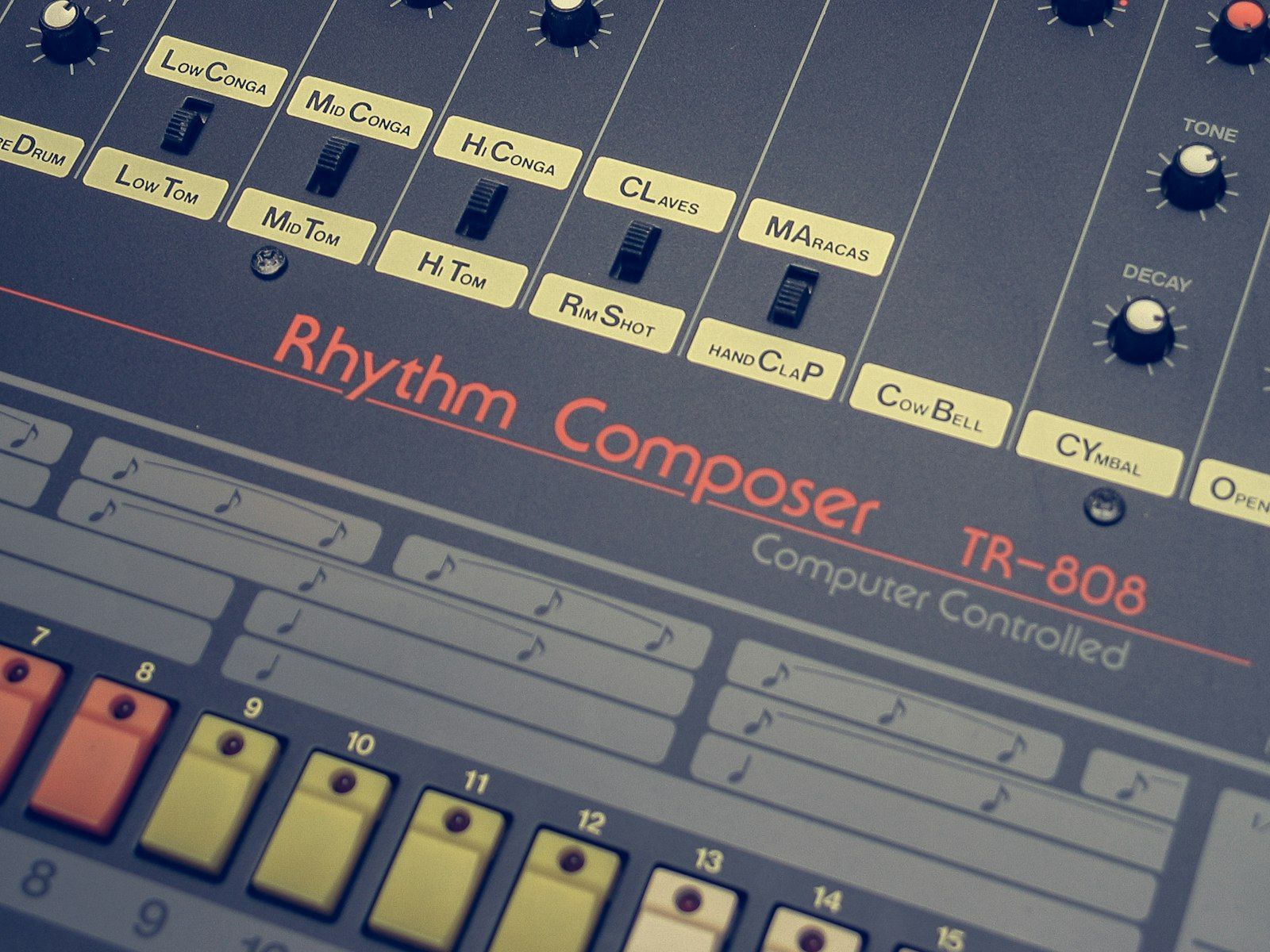
The TR-808 sold poorly in 1980, yet its tuned, sustaining kick shaped hip-hop, dance and pop. Here is how the machine works and why it endures.
How streaming services pick your next song: collaborative filtering, audio analysis, skips as signals, and practical ways to steer your recommendations.
Learn what MP3, AAC, Opus and FLAC actually throw away, why you rarely hear it, and how to run a blind test to find the quality you can truly hear.
Mix YouTube, YouTube Music, SoundCloud, Bandcamp, Audius and more in one shared playlist, and let your friends add their picks.
Try Mixider for free