Nov 2, 2026
Amapiano Explained: Log Drums, Origins and How to Playlist It
Learn what makes amapiano sound the way it does, from the log drum and kwaito roots to tempo and key, plus how to sequence it in a playlist that flows.
New: save tracks and videos from YouTube, SoundCloud, Bandcamp and more straight to your Media Pool, without leaving the page.

 Mixider
10 articles
Learn what makes amapiano sound the way it does, from the log drum and kwaito roots to tempo and key, plus how to sequence it in a playlist that flows.
From a 1947 tiled bathroom to steel plates and the gated snare of the 1980s, learn how reverb was invented and how to set it on your own mixes today.
Learn what sidechain compression does, how French house made it famous, and how to set ratio, attack and release for clean ducking or house-style pumping.
How the dembow beat works, where it came from in Jamaica, Panama and Puerto Rico, and how to use its 3+3+2 groove in playlists and video edits.
Follow a record from lacquer cut to stylus: how grooves hold stereo sound, why the RIAA curve exists, and why vinyl sales just passed $1 billion again.
From an oil geophysicist's math to Cher's "Believe" and T-Pain: how Auto-Tune detects and shifts pitch, and why one speed setting changed pop vocals forever.
Six seconds of drums from a 1969 B-side shaped hip-hop, jungle and drum and bass. Here is its history, why it works, and how producers chop it.
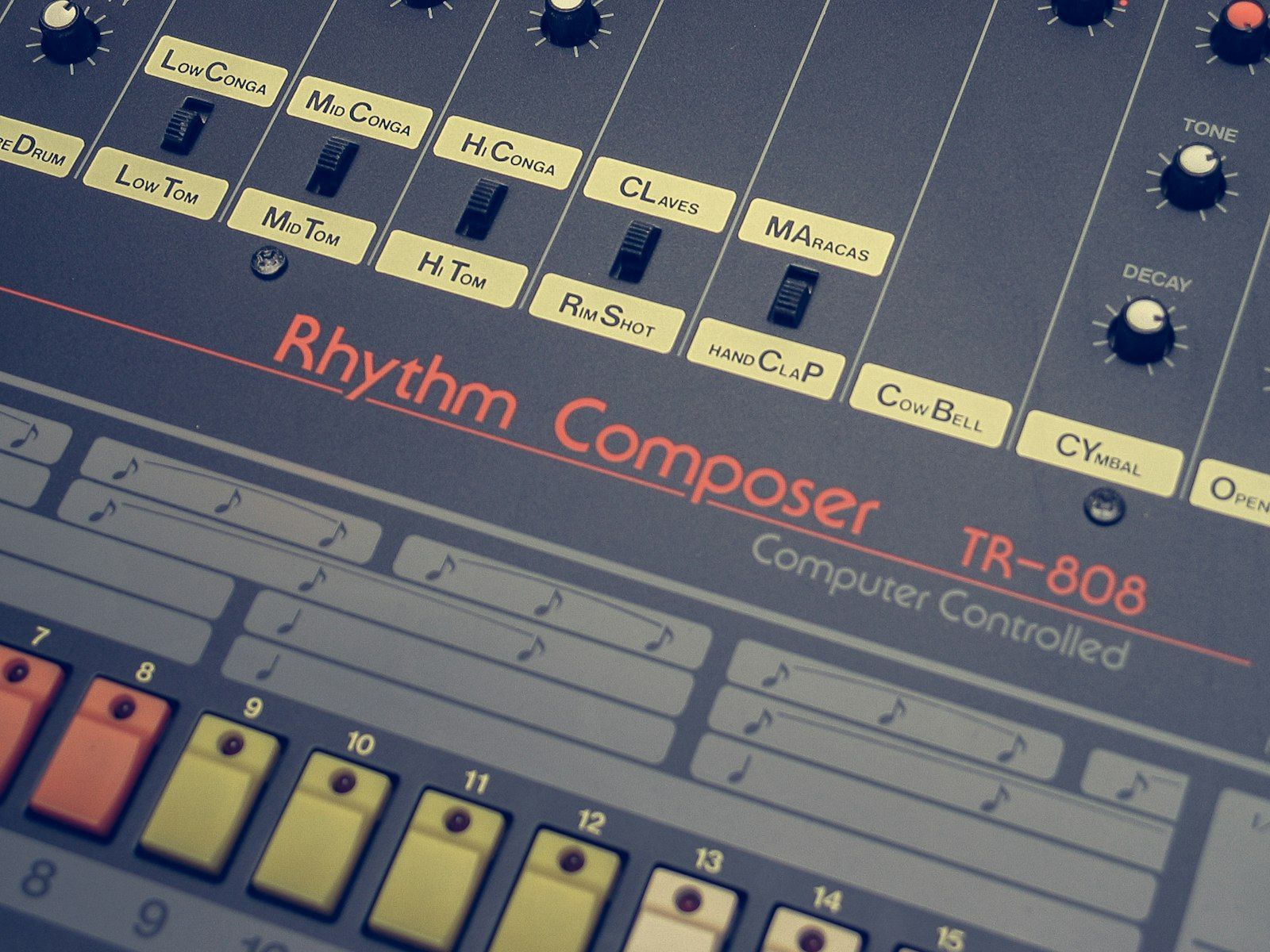
The TR-808 sold poorly in 1980, yet its tuned, sustaining kick shaped hip-hop, dance and pop. Here is how the machine works and why it endures.
From disco turntables to house drum machines, here is why dance music clusters near 120 BPM, what research says, and how to use it in playlists.
Streaming services now level every track to a target like -14 LUFS. Here is how that ended the loudness war and what it means for how music is mastered.
Mix YouTube, YouTube Music, SoundCloud, Bandcamp, Audius and more in one shared playlist, and let your friends add their picks.
Try Mixider for free