Amapiano Explained: Log Drums, Origins and How to Playlist It
Learn what makes amapiano sound the way it does, from the log drum and kwaito roots to tempo and key, plus how to sequence it in a playlist that flows.


A single note can identify a genre. In amapiano, it is a round, bouncing bass tone with a pitch glide at the end, the log drum, and once you have heard it you will pick it out in a club, a car or a TikTok from across the room. Born in the townships around Johannesburg and Pretoria in the mid-2010s, amapiano went from a regional dance sound to a genre with its own Spotify retrospective and a Grammy category winner in under a decade.
This guide explains what amapiano is made of, where it came from (including the parts people still argue about), how to hear the difference between it and its neighbours, and how to place it in a playlist so it works.
What amapiano is made of
The name comes from Zulu and is usually translated as "the pianos", and the piano is the first thing you notice. But the genre is better understood as five layers that sit on top of each other, each leaving space for the next.
- Tempo: most sources place amapiano around 110 to 115 BPM. A production guide cited by one blog gives roughly 108 to 115 with 112 as a starting point, and other sites quote slightly wider ranges. Treat the exact figure as approximate: the point is that it is slower than classic house.
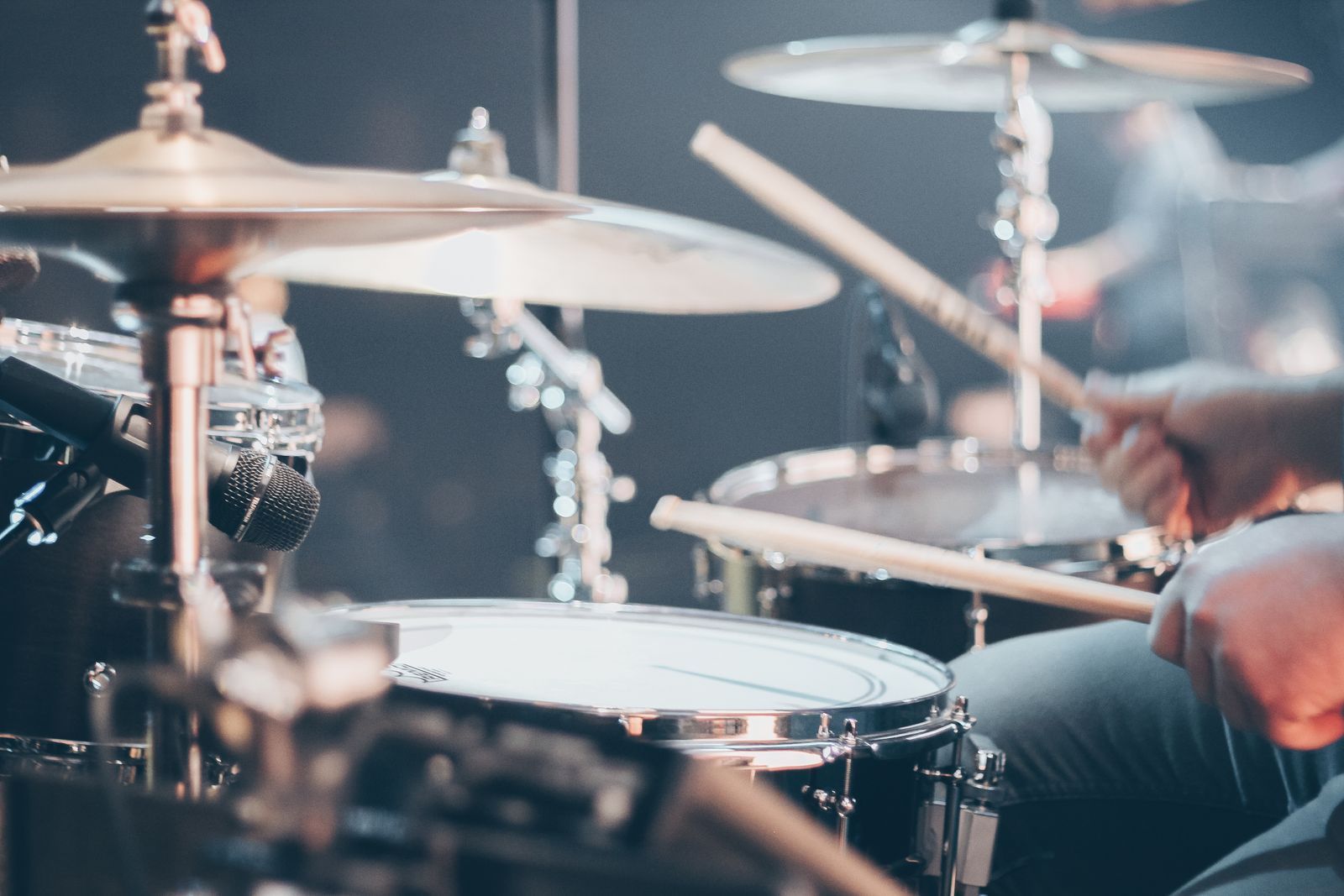
- Log drum: a synthesised, pitched percussion bass. It plays syncopated patterns and bends in pitch, which is why it feels like a bassline and a drum at once. It is named after the acoustic log drum, a hollowed wooden instrument found in several African traditions.
- Piano: jazzy chords and short, staccato phrases, often with a soulful or lounge feel, played sparsely so the groove can breathe.
- Shakers and light percussion: shakers often do the work that hi-hats do in other dance music, which gives the track a soft, rolling top end.
- Vocals: Zulu, Sotho, Tswana, English and street slang, sung or chanted, frequently as a hook the whole crowd can answer.
The deep bass and the sparse arrangement are the secret. Nothing is crowded, so every element reads clearly on a big system and on a phone speaker alike.
Where it came from
Wikipedia's amapiano entry lists kwaito, gqom, deep house, jazz, soul and lounge among its stylistic origins, and places the cultural origin in Gauteng in the mid-2010s, noting that the date and details are disputed. Each ingredient contributed something specific.
Kwaito: the tempo and the attitude
Kwaito, South Africa's 1990s township sound, took house music and slowed it down, with a relaxed, behind-the-beat feel and chanted vocals. Amapiano inherited that unhurried tempo and the call-and-response vocal style. If you want the quickest way to hear the bridge, play a kwaito classic and then an early amapiano record back to back: the pulse is similar, but the bass and piano have been rebuilt.
Deep house and Bacardi: the stripped-back groove
House music arrived in South Africa in the 1990s and was reshaped locally. Some accounts credit Bacardi house, a Pretoria strain with stripped percussion and a heavy bass emphasis, as a direct ancestor. The deep house influence shows up in the long, smooth chord progressions and in the way tracks build over many bars instead of dropping suddenly.
Who invented the log drum?
This is where honest sources disagree. Many accounts credit the producer MDU aka TRP with popularising the log drum sound. Kabza De Small has said in interviews that MDU introduced the sound to the genre and that once he worked it out, "he ran with it", as summarised in Red Bull's amapiano history. Wikipedia notes that the invention is disputed. A fair summary: MDU is widely credited with pushing the log drum into the centre of the sound, and many producers shaped what followed.
The artists who carried it
Kabza De Small and DJ Maphorisa, together as Scorpion Kings, are generally treated as the pair who turned a local scene into a national phenomenon. Kabza's 2020 album I Am the King of Amapiano: Sweet & Dust topped Spotify's most-streamed South African albums chart in the country, according to its Wikipedia page. Rolling Stone's guide to Kabza's key tracks is a good place to start if you want a curated listening path.
The genre then travelled fast. Spotify's figures show it passing 100 million streams in 2020 and 300 million in 2021. By 2023 it had reached about 1.4 billion streams, and 855 million were already logged by mid-2024, as reported by The EastAfrican.
Then the sound crossed into pop. Tyla's "Water", an amapiano-influenced R&B record, was among the nominees in the first Best African Music Performance Grammy category (the same field that included Asake and Olamide's "Amapiano"). That is the mainstream version of the genre: the log drum and shakers underneath, polished pop on top.
How to tell amapiano from its neighbours
Playlists go wrong when similar genres are treated as interchangeable. These are the differences that matter when you are choosing tracks.
| Genre | Typical tempo | Bass | Feel |
|---|---|---|---|
| Amapiano | about 110 to 115 BPM | Log drum, bending and syncopated | Sparse, jazzy, rolling |
| Afro house | about 120 to 125 BPM | Deep kick and bassline | Denser percussion, more driving |
| Classic house | 120 to 128 BPM | Four-on-the-floor kick | Steady and mechanical |
| Dembow (reggaeton) | about 90 to 100 BPM | Kick and snare pattern | Bouncy, syncopated snare |
Afro house is the one people most often confuse with amapiano. It runs faster, with one comparison article citing 120 to 125 BPM, and relies on layered percussion rather than amapiano's bass-led sparseness. If you want the tempo story behind the dance floor, our piece on why 120 BPM became the default dance tempo explains why amapiano's slower pulse feels so different from house. And for another genre built on a single rhythmic idea, see dembow, the rhythm behind reggaeton.
Putting amapiano in a playlist
Amapiano is easier to program than most dance genres because it is mid-tempo and mellow. It suits several moments that faster genres struggle with.
Where it works best
- Sunset and pre-party: the piano chords and soft shakers sound warm before the room is full.
- Long social gatherings: braai-style afternoons, house parties and dinners that turn into dancing. The groove is steady enough to talk over and rhythmic enough to move to.
- A cooldown: after a high-energy block, a run of amapiano can drop the heart rate without killing the mood.
Sequencing tips
- Stay within about five BPM. Because the genre sits in a narrow tempo band, neighbouring tracks blend naturally. Jumping from 112 to 125 is where a set stops feeling smooth.
- Alternate vocal and instrumental tracks. Long chord-led tracks give listeners a rest between big vocal hooks.
- Mind the key. Piano-led music is strongly tonal, so clashing keys are audible. Our guide to harmonic mixing and the Camelot wheel shows how to pick neighbouring keys.
- Open with one famous song. Guests who do not know the genre will latch onto a hook they recognise, then follow you into the deeper cuts.
- Leave room for the log drum. On small speakers the bass can disappear, so test your playlist on a phone and a laptop before the event.
Try this tonight
Build a 12-song amapiano playlist in three blocks. Start with four soulful, piano-led tracks around 110 BPM. Add four vocal-driven tracks near 113. Finish with four heavier log-drum tracks near 115. Then play it once through headphones and listen specifically for the log drum's pitch bend at the end of each phrase. Once you can hear it in every track, you will recognise amapiano anywhere, and you will know exactly which songs in your own library belong next to it.
Build your next playlist with Mixider
Mix YouTube, YouTube Music, SoundCloud, Bandcamp, Audius and more in one shared playlist, and let your friends add their picks.
Try Mixider for free